

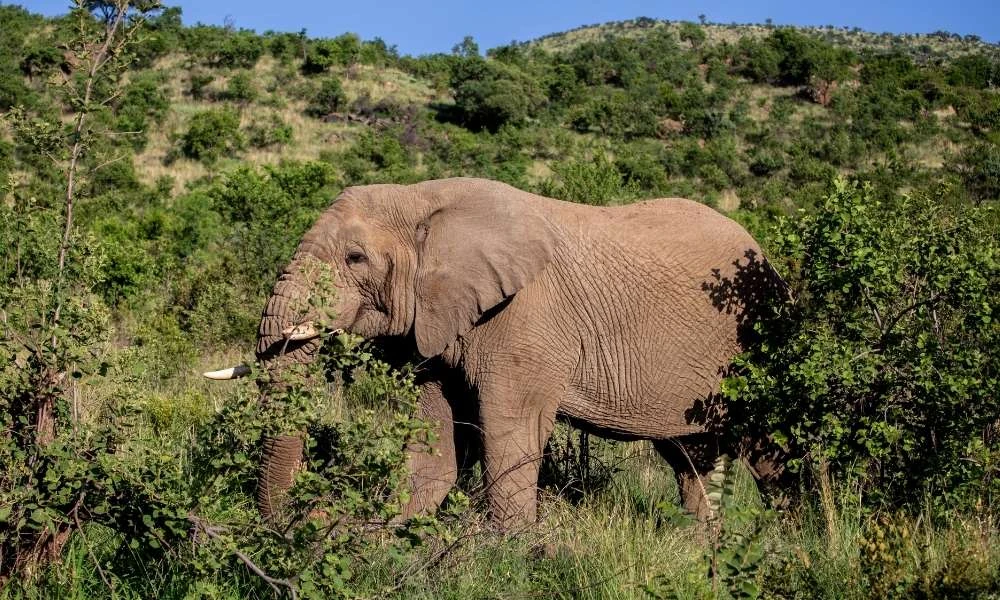
Open surroundings can give rescued animals room to move according to their own needs. An elephant tour can introduce visitors to a sanctuary approach centered on freedom rather than forced activity. An elephant tour can also show why quiet observation matters when animals choose where to walk, rest, or stay close to companions. Such freedom supports natural routines without placing pressure on social contact. An elephant tour koh samui can offer a positive setting for observing these respectful interactions.
Space Encourages Natural Movement
A spacious sanctuary gives rescued animals opportunities to walk across different areas at their own pace. They can explore surroundings without being directed toward a fixed activity. Open areas also allow individuals to create distance when they prefer solitude. This approach respects personal choices while supporting ordinary movement throughout the day.
Social Bonds Develop Naturally
Social relationships can grow when animals control their own contact with companions. Some may remain close to familiar individuals while others may prefer greater distance. A sanctuary does not need to force every animal into one group. Visitors can learn about this respectful approach through quiet observation on an elephant tour koh samui.
Choice Supports Calm Behaviour
Freedom becomes meaningful when animals can decide where to spend their time. They may walk toward companions or move away when they need personal space. Such choices can create calmer daily routines without constant human direction. The sanctuary approach focuses on allowing natural behaviour instead of arranging actions for visitor expectations.
Sanctuary Areas Support Social Life
Different areas within a sanctuary can support different daily needs. Open spaces allow movement while shaded sections provide places for rest. Secure areas can support younger animals or individuals needing additional attention. Suitable surroundings give each rescued animal room to follow its own routine while remaining within a protected setting.
Respectful Observation Protects Freedom
Visitors can learn more by watching natural behaviour without trying to control it. Quiet observation allows social contact to develop without unnecessary interruption. Simple practices can keep attention on the animals rather than visitor activity:
- Keep voices low during close observation periods around groups.
- Maintain suitable distance when animals move toward companions.
- Avoid requesting staged contact for photographs during visits.
- Allow animals to choose their direction without interference.
- Watch natural feeding and resting routines from designated areas.
The sanctuary’s visitor guidance encourages calm movement while avoiding actions that disrupt natural behaviour. This creates a setting where visitors learn through observation rather than expecting animals to perform.
Free roaming can give rescued animals greater control over movement, rest, and social contact. A suitable sanctuary setting combines open areas with careful supervision so individual needs remain respected. Natural relationships can develop when contact is voluntary rather than forced. This approach keeps animal welfare at the center while allowing visitors to understand social behaviour through quiet observation.