

Planning a group outing sounds simple until everyone starts sharing different preferences, budgets, and schedules. Some guests want an active day outdoors, while others would rather relax, socialize, and enjoy the scenery.
Long Island offers plenty of waterfront settings for both types of experiences. From scenic coastal communities to organized activities on the water, there are several ways to bring people together without relying on the usual restaurant gathering.
The key is choosing an experience that suits the group, understanding the logistics, and preparing for the details that can easily be overlooked.
Start With Your Group’s Priorities
Before comparing destinations or making reservations, consider what everyone expects from the outing.
A birthday celebration may call for music and a lively atmosphere, while a family reunion might benefit from comfortable seating and opportunities for conversation. A corporate gathering may need a more structured environment that encourages colleagues to interact.
Start by identifying the group’s approximate size, preferred date, and budget. It also helps to understand whether guests want a relaxed afternoon or an activity-filled experience.
Ask about accessibility needs, transportation limitations, and any guests who may be uncomfortable spending extended periods on a boat.
These early conversations can prevent expensive changes later. They also make it easier to narrow down activities without overwhelming everyone with options.
Choose the Right Waterfront Experience
Long Island’s coastal setting provides several possibilities for group activities. The right choice depends on the group’s interests, desired atmosphere, and willingness to participate in organized experiences.
A waterfront picnic can work well for casual gatherings where guests prefer flexible schedules. Beach activities suit groups interested in outdoor recreation, while waterfront restaurants provide convenient dining arrangements.
For groups looking to share a more structured experience, spending time on the water offers another possibility.
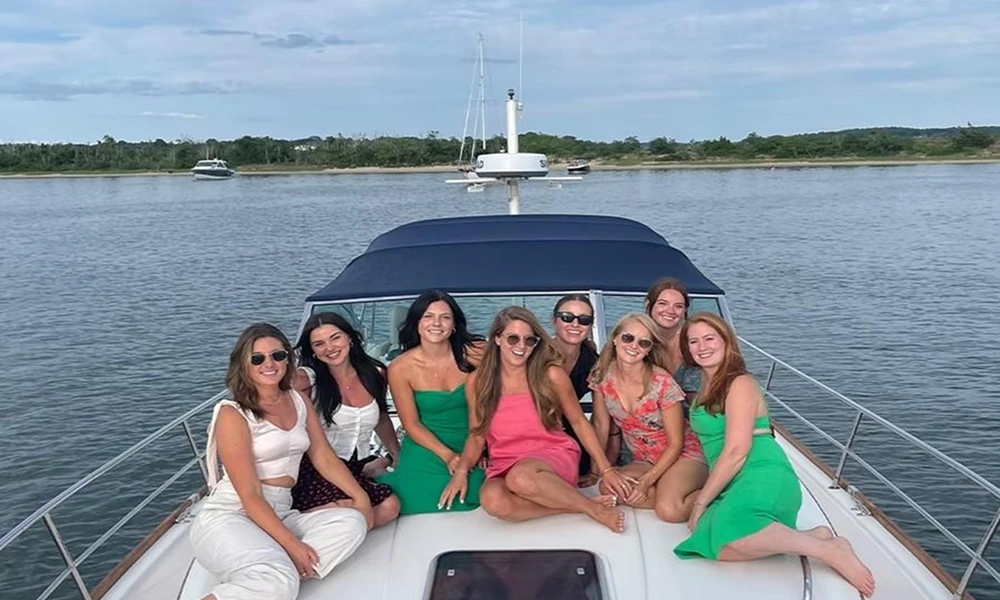
An Island party boat experience, for example, can bring guests together for a coastal outing with opportunities to enjoy the scenery, socialize, and participate in onboard entertainment.
When considering this type of activity, compare passenger capacity, trip duration, departure location, available amenities, and booking requirements.
The goal should be to match the experience to the people attending rather than selecting an activity simply because it looks exciting in photographs.
Build a Realistic Budget Before Booking
Group outings often become more expensive when organizers focus only on the advertised starting price.
Depending on the activity, additional expenses may include transportation, parking, food, beverages, equipment rentals, service charges, and gratuities.
Create a simple budget that separates essential costs from optional extras. If guests will contribute individually, communicate the expected amount before collecting payments.
For private experiences, confirm whether the booking price covers the entire group or whether charges are calculated per person.
Ask about minimum guest requirements, deposits, cancellation deadlines, and possible rescheduling fees.
It is also worth considering whether the activity requires advance payment. Clear expectations help avoid awkward conversations when the event approaches.
Prepare for Weather and Seasonal Conditions
Weather plays an important role in any waterfront outing.
Even on a sunny day, conditions near the water can feel different from those farther inland. Breezes, changing temperatures, and unexpected rain can influence guest comfort.
Check the forecast during the days leading up to the event, but avoid relying on weather predictions alone.
Ask the venue or activity provider about its weather-related policies. Some operators may reschedule activities when conditions make an outing unsafe, while others may have specific cancellation terms.
Guests should consider bringing sunscreen, sunglasses, comfortable footwear, and an extra layer for cooler conditions.
If an activity involves boating, organizers should also understand the operator’s safety procedures and communicate important instructions to participants.
For outdoor gatherings, a flexible backup plan helps protect the experience from unnecessary disruption.
Make Transportation and Arrival Simple
One of the easiest ways to complicate a group outing is to underestimate travel and arrival time.
Long Island destinations can experience busy roads and parking areas, particularly during popular weekends and summer events.
Share the exact meeting location rather than providing only the name of a destination. If the group is meeting near a marina, confirm the correct dock, entrance, or boarding area.
For activities with fixed departure times, encourage guests to arrive early enough for parking, check-in, and any required instructions.
Carpooling or arranging shared transportation may simplify travel for groups coming from different locations.
It is helpful to appoint one organizer who can answer last-minute questions and communicate any changes.
A clear arrival plan allows everyone to focus on enjoying the outing instead of searching for the rest of the group.
Keep the Schedule Flexible and Guest-Friendly
A successful group outing needs enough structure to keep things organized without making participants feel rushed.
Rather than scheduling every minute, focus on a few essential activities and leave room for spontaneous conversations.
For example, a waterfront celebration might include a meeting period, a main group activity, and an optional meal afterward.
If the outing involves music, food, or organized entertainment, consider the preferences of different age groups and personalities.
Not everyone wants to participate in every activity. Giving guests some flexibility creates a more welcoming atmosphere.
Communicate the schedule in advance, including approximate start and end times, appropriate clothing, and anything attendees should bring.
A brief message containing these details is often more useful than a complicated itinerary.
Conclusion
Planning a waterfront group outing on Long Island does not need to become a complicated project.
Start by understanding your guests, selecting an activity that suits their interests, and setting a realistic budget. Then address practical considerations such as weather, transportation, arrival times, and accessibility.
The most enjoyable gatherings are not necessarily the most elaborate. They are the ones where participants feel comfortable, expectations are clear, and there is enough flexibility to enjoy the moment.
With thoughtful preparation, a simple day by the water can become a meaningful shared experience without unnecessary planning stress.