
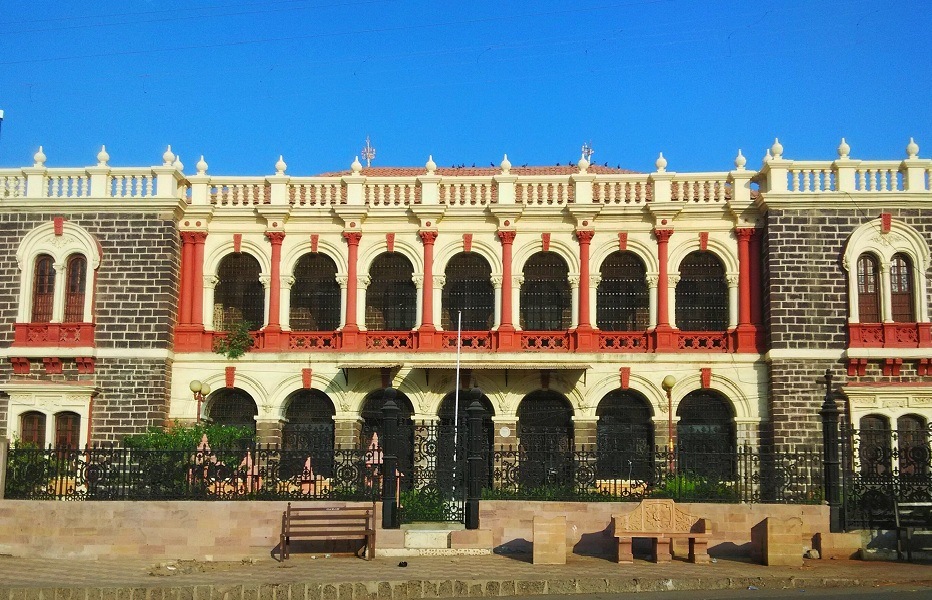
Bhuj is one of those Indian cities that surprises you completely. Most people know Gujarat for its business cities or coastal temples, but Bhuj tells a different story entirely. This former princely state capital in the Kutch region is packed with cultural heritage that spans centuries.
The 2001 earthquake devastated large parts of the city, but Bhuj rebuilt itself whilst preserving its historical soul. Today, you’ll find beautifully restored palaces, excellent museums, and thriving handicraft traditions that make Kutch famous worldwide. The city works brilliantly as a base for exploring the wider Kutch region, too.
Spending 2-3 days in Bhuj lets you properly absorb the cultural richness without rushing through. Let’s explore what makes this city special beyond just being a jumping-off point for the White Rann.
Aina Mahal (Palace of Mirrors)
This 18th-century palace showcases Indo-European architecture at its finest, with interiors that’ll make you stop and stare.
Maharao Lakhpatji built Aina Mahal with help from a craftsman who’d been trained in Europe, creating this unique fusion style. The Hall of Mirrors lives up to its name with Venetian glass, ornate chandeliers, and tiles that create dazzling reflections. The palace also houses a museum displaying royal portraits, weapons, and manuscripts that tell Kutch’s royal history.
The earthquake damaged portions badly, but restoration work has brought back much of the original glory. The craftsmanship in details like carved doors and painted ceilings shows the skill levels artisans achieved here centuries ago.
Prag Mahal
Right next to Aina Mahal stands Prag Mahal, built in the Italian Gothic style during the mid-1800s. The contrast between the two palaces sitting side-by-side is fascinating. Prag Mahal’s clock tower dominates Bhuj’s skyline, and climbing it rewards you with panoramic city views.
The Durbar Hall inside features stuffed wildlife, chandeliers, and Gothic arches that feel transported from European castles. The palace shows how Kutch’s rulers absorbed global influences whilst maintaining their regional identity.
Kutch Museum
India’s oldest museum in Gujarat deserves serious time because the collection here properly represents Kutch’s cultural diversity.
Established in 1877, the Kutch Museum houses tribal artefacts, ancient inscriptions, textiles, weapons, and musical instruments from across the region. The Kshatrapa inscriptions are particularly valuable for understanding the area’s ancient history. The textile section displays traditional Kutchi embroidery styles that artisan communities still practice today.
Spending a couple of hours here before visiting handicraft villages gives you context about what you’re seeing in contemporary work.
Handicrafts and Living Traditions
Bhuj serves as the gateway to villages where artisans create the embroidery, weaving, and crafts that make Kutch internationally renowned.
Villages like Bhujodi (8 kilometres away) specialise in weaving, whilst Ajrakhpur preserves ancient block-printing techniques. Nirona village maintains rogan art and copper bell-making traditions passed through generations. Many hotels in Bhuj can arrange visits to these craft villages with guides who explain techniques and family histories.
Watching artisans work gives you a massive appreciation for the skill and patience these crafts require. You can buy directly from makers, which supports their livelihoods and gets you authentic pieces at fair prices.
Practical Planning
Bhuj works year-round, though winter months (November to February) bring pleasant weather perfect for exploring on foot.
The city centre stays compact with most attractions within short auto-rickshaw rides. Hotels in Bhuj range from heritage properties to comfortable modern hotels, many offering cultural tour packages that combine city sights with village visits.
Why Bhuj Matters
Bhuj shows how cities can rebuild after tragedy whilst honouring their past. The cultural trail here isn’t about ticking off monuments but understanding how traditions survive and evolve. From palace architecture to living handicraft traditions, Bhuj delivers cultural depth that rewards curious travellers properly.