
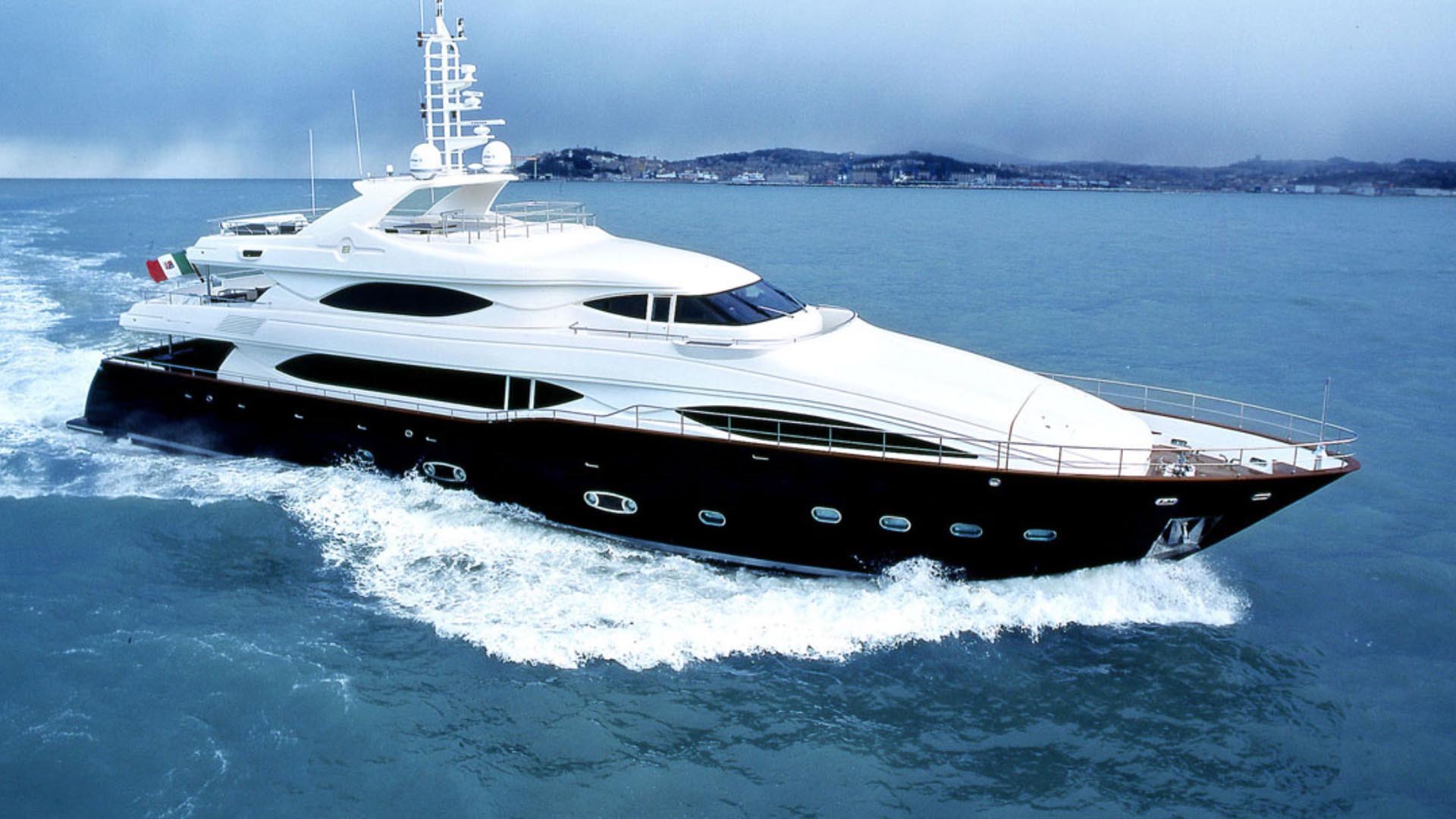
A brand new vessel looks impressive. No scratches. No unknown history. Everything fresh. And yet, many experienced buyers quietly turn their attention toward used boats for sale instead. Not because they want something worn out, but because value and practicality often meet more comfortably in the pre owned market.
Still, buying second hand is not casual. It requires sharper attention.
Start With Condition Not Price
It is tempting to sort listings from lowest to highest.
But price alone hides details.
Two boats may look similar online. One could have full service records and careful ownership. The other may have skipped maintenance for years. The difference only becomes visible when you ask deeper questions.
So condition first. Always.
Service History Tells A Story
Engines, like people, leave a trail behind them.
Ask for maintenance logs. Oil change intervals. Parts replaced. Any major repairs. If documentation feels incomplete, that does not automatically mean disaster. But it does mean you need closer inspection.
Sometimes sellers are organized. Sometimes they are not. That variation matters.
Quick Comparison Snapshot
Use a simple framework when comparing options.
|
Checkpoint |
Strong Candidate |
Risky Option |
|---|---|---|
|
Engine hours |
Reasonable and documented |
High with unclear history |
|
Hull structure |
Clean and solid |
Visible repairs without records |
|
Electrical systems |
All systems responsive |
Frequent malfunctions |
|
Interior |
Light wear only |
Damp smell or stains |
|
Survey report |
Recent and detailed |
None available |
This table simplifies reality. Actual inspections go deeper. But it keeps thinking structured.
Budget For The After Purchase Phase
Buying is only the first step.
After transfer, new owners often need to handle:
- Minor cosmetic updates
- Safety gear replacement
- Registration adjustments
- Insurance setup
Leaving financial room for these items prevents stress. Spending everything upfront can limit flexibility.
The Inspection That Really Matters
Visual inspection helps. A professional marine survey helps more.
A qualified surveyor checks structural integrity, engine performance, moisture levels, and mechanical systems in ways buyers cannot easily evaluate themselves. The small cost of a survey can prevent large costs later.
And skipping this step rarely saves money in the long run.
Negotiation With Grounded Expectations
When issues are found, negotiations should rely on evidence. Survey results provide leverage. Estimated repair costs guide price adjustments.
Emotion should stay outside the conversation.
Common Mistakes First Time Buyers Make
Watch out for these common issues:
- Relying only on photos without visiting in person
- Ignoring minor leaks assuming they are harmless
- Skipping professional survey to save money
- Underestimating storage and marina costs
- Focusing on brand reputation instead of condition
Each mistake may seem small alone. Combined, they create larger financial pressure. Careful buyers slow the process down. They ask more questions. They verify documents twice.
Searching through used boats for sale can feel overwhelming at times. Listings change. Options vary widely. Some deals look attractive and disappear quickly.
Patience helps more than speed.
A well chosen pre owned boat offers strong value and reliable performance. A rushed decision can create ongoing problems.
In the end, second hand does not mean second best. It simply means the story began before you arrived. Your job is to understand that story before writing the next chapter.